Half of All Pet Prescriptions Are Given Wrong. Here's Why It Matters.
Skipped doses, stopped-early antibiotics, 'safe' human pills: medication mistakes are quiet, common, and preventable with a little know-how.
Doctor Paws is an educational brand — nothing here replaces in-person veterinary care. Full disclosure
The prescription worked. The medicine was right. And the pet didn't get better — because half the doses ended up spat behind the couch, or the course was stopped the day the limping stopped. Medication failure in pets is overwhelmingly a delivery problem, not a chemistry problem, and it's one of the most fixable gaps in home pet care.
The mistakes that look harmless
Stopping antibiotics early because your pet "seems fine" is how resistant infections get built — and how next month's relapse gets scheduled. Doubling up after a missed dose can overdose small animals. Splitting pills that aren't scored, crushing capsules into food (some coatings exist to protect the stomach or time the release), or dosing "a little extra to be safe" — all common, all risky. And the biggest one: reaching into the human medicine cabinet. Ibuprofen, acetaminophen (especially for cats), decongestants — the ER sees these poisonings weekly, almost always from love plus a reasonable-sounding guess.
The pill fight nobody has to have
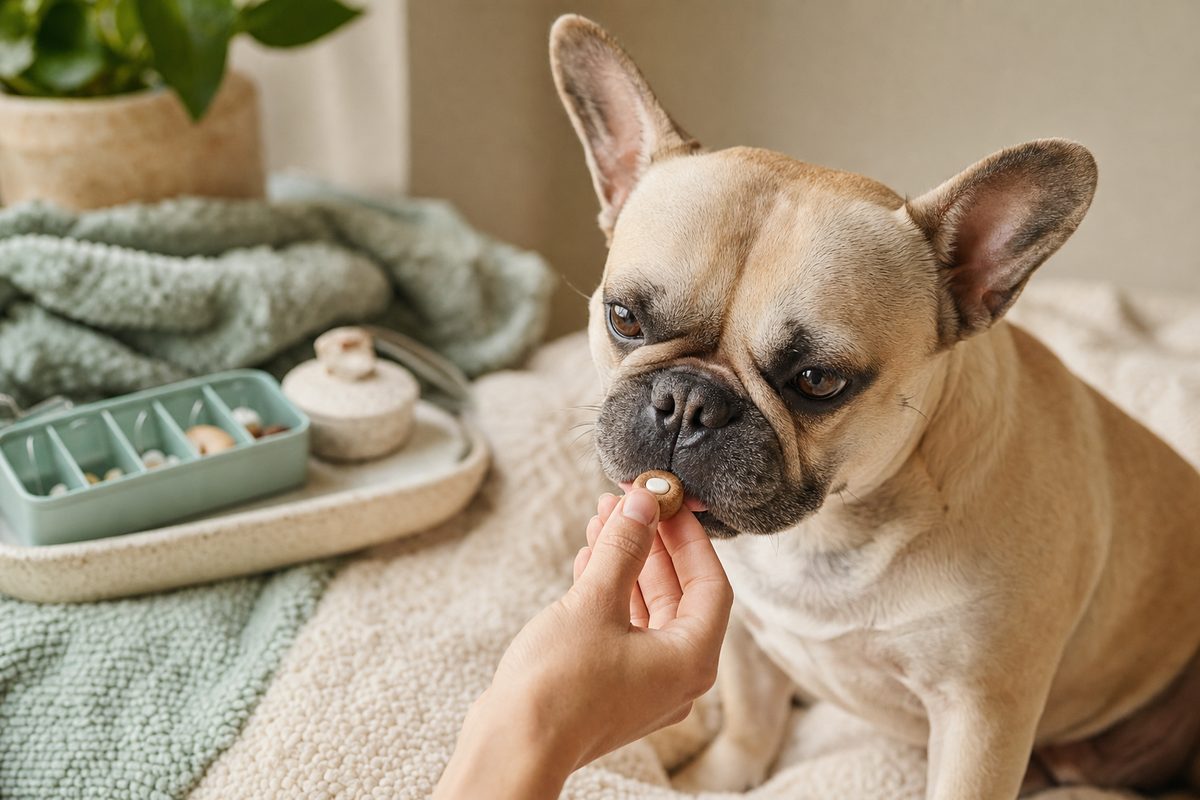
The wrestling match isn't mandatory. Dogs: pill pockets, the three-meatball trick (decoy, loaded, chaser), or asking the vet for the flavored-chew version that exists for many common drugs. Cats — the true professionals of pill refusal — often do better with compounded liquids, transdermal gels for certain medications, or a proper towel-wrap technique that takes fifteen calm seconds instead of a five-minute battle that poisons the relationship with the carrier, the kitchen and you. If a medication routine is failing, say so; there's almost always another formulation.
Approximate share of medication failures by cause — almost all of it is fixable technique.
Questions that make every prescription safer
What is this for, and how will we know it's working? With or without food? What side effects mean stop, and which mean call? Does it clash with the flea/tick/heartworm products already on board? Five questions, thirty seconds at pickup, and most medication surprises evaporate.
Understanding what the common drug families actually do — antibiotics, anti-itch meds, pain control (and why there's no safe OTC pain option for cats), steroids and their trade-offs — turns you from courier into competent partner. That working knowledge, plus the technique library for every form of medicine, is what the meds handbook delivers.