"He's Just Getting Old" — The Most Expensive Sentence in Pet Ownership
Slowing down, drinking more, sleeping differently: most 'old age' signs are actually treatable diseases. How to tell aging from illness in senior pets.
Doctor Paws is an educational brand — nothing here replaces in-person veterinary care. Full disclosure
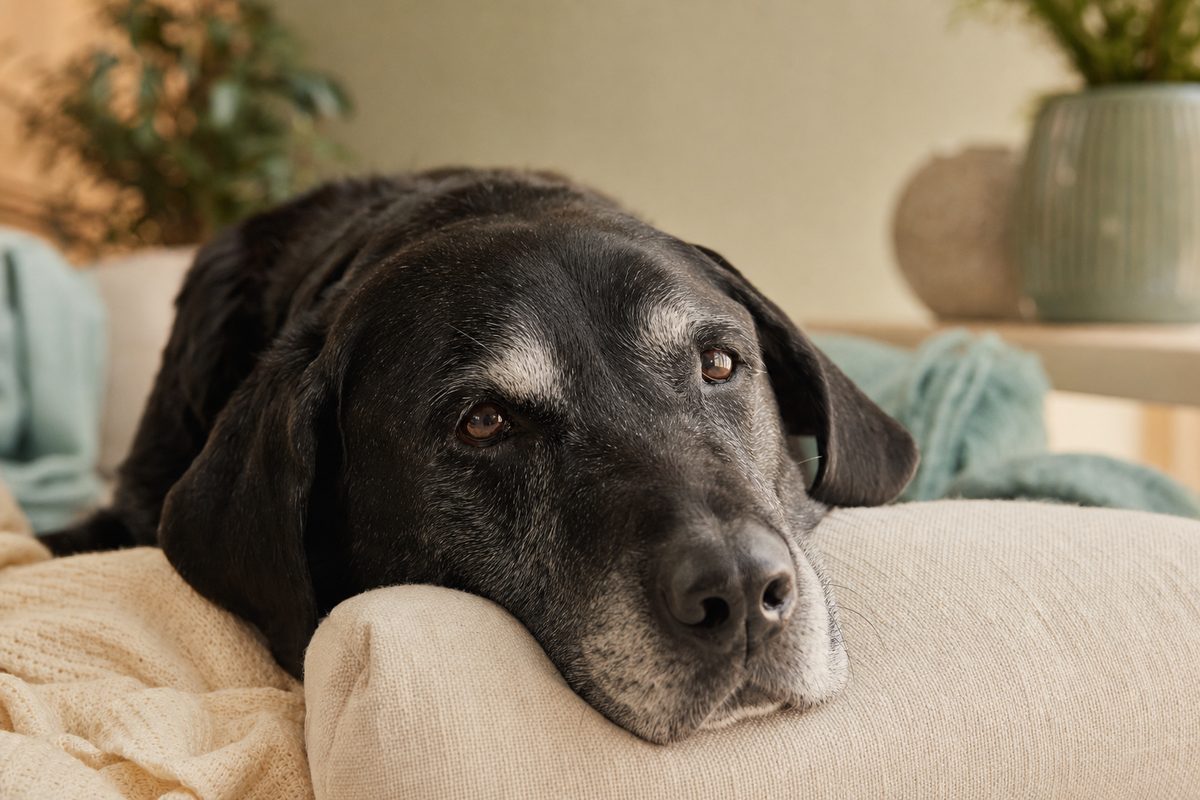
Here's a pattern every vet knows: an owner mentions, almost in passing, that their 11-year-old dog has been slowing down for a year. "Just old age." A blood panel later, it's thyroid disease — treatable with an inexpensive daily pill — and within weeks the dog is acting years younger. The "old age" was a disease the whole time.
Aging is not a diagnosis
Real aging is gradual and gentle. Most of what owners attribute to it is specific, and much of it is manageable:
- Slowing down / reluctance on stairs is usually arthritis pain — and dogs are masters at hiding pain. Modern pain management can transform these dogs.
- Drinking and urinating more is never normal aging. It's the classic flag for kidney disease, diabetes, or Cushing's — all of which do dramatically better when caught early.
- Nighttime pacing, standing in corners, forgetting routines can be cognitive dysfunction — dog and cat dementia is real, underdiagnosed, and has management options that work best started early.
- A cat "just sleeping more" may be arthritic: studies find most cats over 12 have arthritis on X-ray, yet almost none are treated for it, because cats hide pain even better than dogs.
Why senior bloodwork is the best money you'll spend
Approximate breakdown when 'old age' complaints are actually worked up — most of it is treatable.
Kidney disease shows nothing on the outside until roughly two-thirds of function is already gone. Caught on a routine senior panel instead, diet changes alone can add years. That's the general shape of senior medicine: the diseases of age are cheapest and most treatable in exactly the window when pets look mostly fine. Twice-yearly checkups with lab work stop being upsell and start being the highest-return purchase in your pet's later life.
The home-field advantage
You see your pet every day — which ironically makes gradual change invisible. Simple habits fix that: a monthly weight check (weight loss in senior cats is a red flag, not a diet success), watching water intake, filming the gait when something seems subtly off. Owners who track these catch disease months before anyone else could.
Senior pets aren't a sad chapter; with the right playbook — screening schedules, arthritis management, kidney and thyroid basics, home comfort tweaks, and honest quality-of-life tools — the last third of a pet's life is often the sweetest part. It just shouldn't be navigated on "he's just getting old."