Your Dog Isn't Stubborn — You're Just Speaking a Different Language
Most 'behavior problems' are communication problems, and a few are medical. The science-backed way to get a calm dog who actually listens.
Doctor Paws is an educational brand — nothing here replaces in-person veterinary care. Full disclosure
Behavior problems — not disease — are the number-one reason young dogs lose their homes. That statistic is heartbreaking precisely because most of what owners call disobedience is something else entirely: a dog doing what worked before, in a household that's accidentally rewarding the wrong things.
Dogs do what works
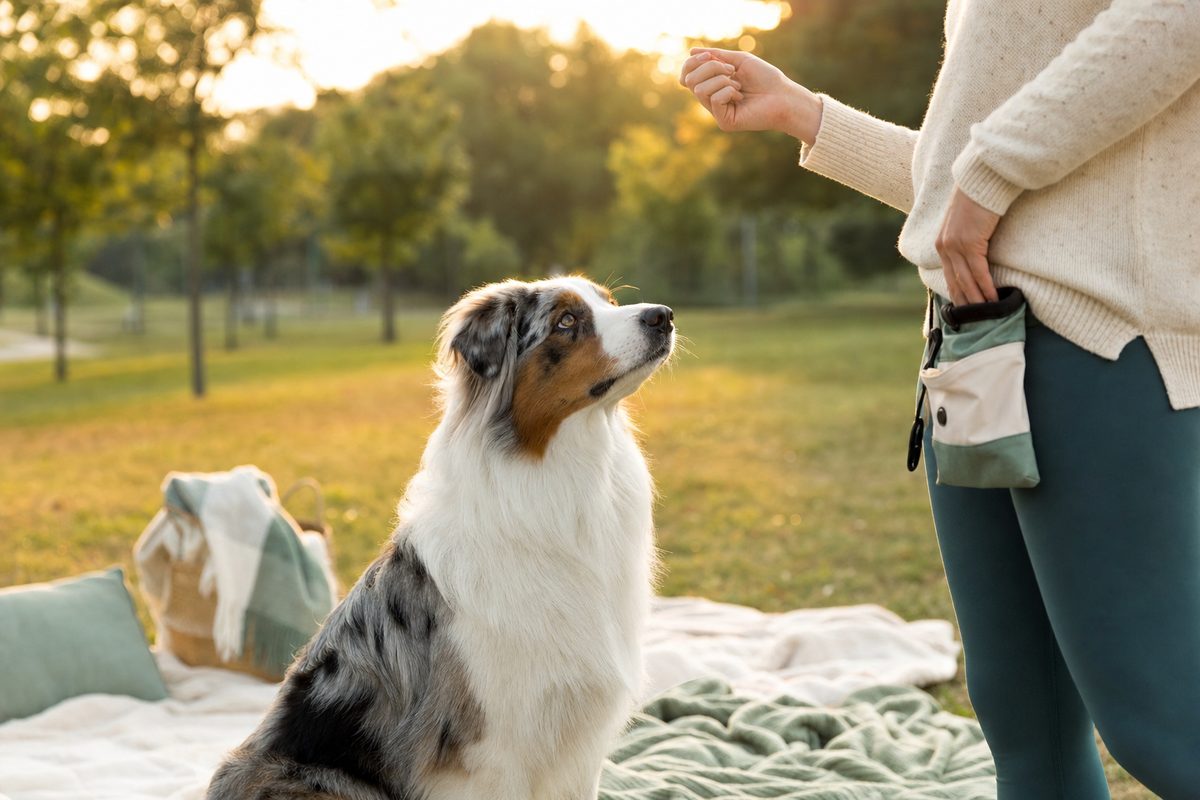
The core insight of modern behavior science is almost embarrassingly simple: behaviors that pay off get repeated. The dog who jumps on guests gets touched, talked to and pushed (all attention — all payment). The dog who barks at the window watches the mail carrier "flee" every single day — the barking works, as far as the dog knows. Once you audit what's actually being rewarded in your house, most "stubbornness" reads as excellent learning of the wrong lessons.
The punishment trap
Yelling, leash pops, shock and "alpha" tactics can suppress behavior in the moment, which is why they feel effective. The research record says they also raise anxiety and, for aggression especially, make dogs more dangerous, not less — a dog punished for growling learns to skip the growl, not the bite. Every major veterinary behavior organization has landed in the same place: reward what you want, manage what you don't, and skip tools that work through pain or fear.
When "behavior" is actually medical
Approximate share of everyday cases resolved by each lever — note how much is upstream of 'training.'
Some of the most missed cases in dog ownership: the house-trained dog having accidents (urinary infection until proven otherwise), the suddenly grumpy dog (pain, often arthritis), the senior pacing at night (cognitive decline). Rule of thumb — any abrupt behavior change in an adult dog earns a vet visit before a training plan.
Exercise, then everything else
An under-exercised, under-stimulated dog cannot be trained into calmness; the energy has to go somewhere. Walks plus genuine mental work — sniffing time, food puzzles, short training games — fix a remarkable share of "problem" behavior on their own. Separation anxiety, leash reactivity, resource guarding, and real aggression each have their own structured protocols, and the earlier you start, the shorter they are.
A calm dog isn't a lucky draw; it's the predictable result of a household whose rules are consistent and whose payoffs point in the right direction. Building that system, step by step, is what the behavior guide is for.